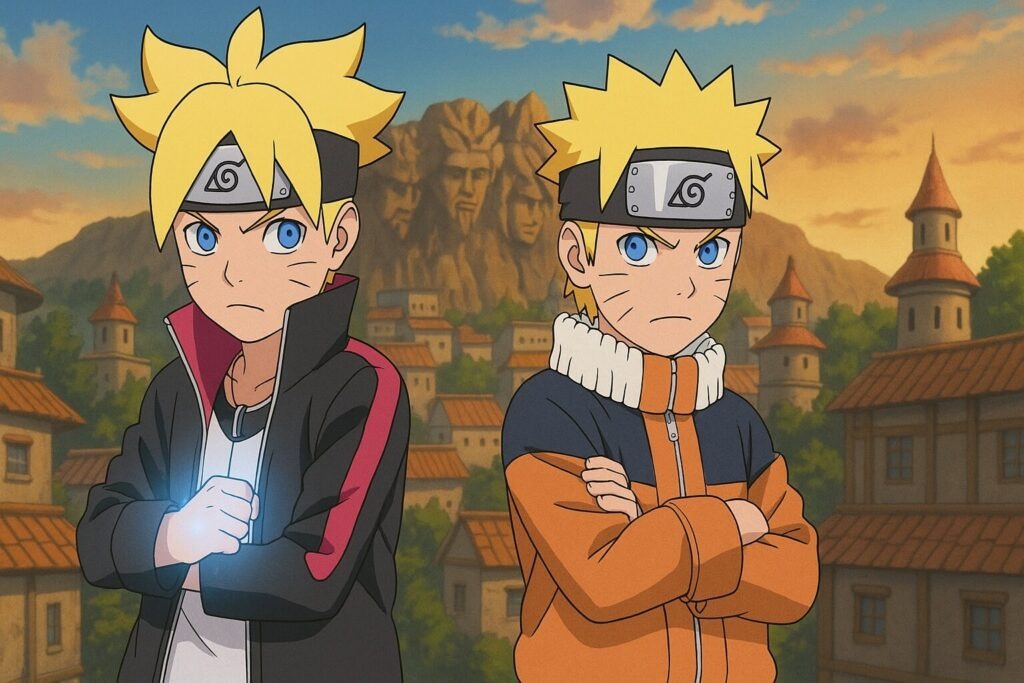
The Shifting Tides: Has Boruto Been Dethroned by a New Generation Manga?










Popular Now
 League of Legends
 Brawl Stars
 The Legend of Zelda
 CarX Street
 Fall Guys
 Schedule I
 Minecraft
Black Myth: Wukong
Minecraft
Black Myth: Wukong
 BeamNG.drive
PUBG Mobile
BeamNG.drive
PUBG Mobile 
In the fiercely competitive landscape of Japanese manga and anime, very few series achieve the iconic status and longevity of a franchise like Naruto, and its direct sequel, Boruto: Naruto Next Generations. For years, Boruto stood as a significant pillar within the modern shonen genre, inheriting a colossal fanbase and consistently generating substantial revenue. However, recent market trends and the meteoric rise of several groundbreaking new titles suggest a significant power shift. The question is no longer if new challengers exist, but whether Boruto has truly been surpassed by a fresh wave of innovative storytelling and captivating characters.
The debate surrounding Boruto’s standing in the contemporary manga ecosystem is multifaceted, encompassing sales figures, critical reception, fan engagement, and the sheer cultural impact of its rivals. This in-depth analysis delves into the factors contributing to this potential dethronement and examines the strengths of the new generation manga that are capturing global attention and market share.
The Legacy of Boruto and Its Enduring Challenges
Boruto carries the immense weight of its predecessor’s legacy. While leveraging the established universe, characters, and an inherent audience, it has also faced persistent challenges. Critics and a segment of the long-time fanbase have often pointed to various issues, including pacing, character development for its new cast, and the perceived dilution of some core themes that made Naruto so beloved. Despite strong initial sales and a consistent anime adaptation, the series has struggled to replicate the universal acclaim and explosive, sustained hype generated by its parent story during its peak.
Furthermore, the monthly release schedule, while allowing for more detailed artwork and storyboarding, can sometimes contribute to a slower narrative progression, potentially impacting reader retention in an era demanding immediate gratification and rapid content updates. This contrast becomes particularly stark when juxtaposed with the rapid-fire weekly releases of many competing titles, which can maintain higher levels of continuous discussion and fan speculation.
The Ascent of New Generation Powerhouses
The past few years have witnessed an unprecedented boom in the manga industry, fueled by both compelling narratives and highly successful anime adaptations. Several new generation manga have not only carved out their niches but have also begun to dominate sales charts and cultural conversations. Titles such as Jujutsu Kaisen, Chainsaw Man, and Spy x Family stand out as prime examples of this phenomenon.
- Jujutsu Kaisen: Gege Akutami’s dark fantasy series exploded onto the scene, offering a mature take on supernatural battles with intricate power systems, memorable characters, and a willingness to explore darker themes and character mortality. Its anime adaptation by MAPPA studios was a global sensation, driving manga sales to unprecedented heights and establishing it as a dominant force. The narrative’s intensity and fresh approach resonated deeply with an audience looking for sophisticated shonen tropes.
- Chainsaw Man: Tatsuki Fujimoto’s bizarre, action-packed, and emotionally raw series captivated readers with its unconventional hero, brutal honesty, and unique blend of dark comedy and tragedy. Its critically acclaimed anime further solidified its position, showcasing a distinct artistic vision and storytelling prowess that deviates significantly from traditional shonen formulas. This series exemplifies narrative innovation and bold artistic choices.
- Spy x Family: Tatsuya Endo’s heartwarming and humorous spy comedy has garnered immense popularity for its unique premise and compelling characters. Its blend of action, comedy, and family dynamics has appealed to a broader audience segment, including those who might not typically gravitate towards traditional shonen battle manga. The success of its anime adaptation has been instrumental in its rise, showcasing the power of a well-executed cross-genre appeal.
- Kaiju No. 8: Naoya Matsumoto’s high-octane sci-fi action series also represents a strong contender, demonstrating a fresh take on the monster-fighting genre with compelling character work and a compelling underdog story. Its rapid ascent in popularity and anticipation for its anime adaptation highlight the diverse appeal of new IP.
Factors Driving the Shift in Manga Market Dynamics
The reasons behind the new generation’s triumph are manifold and reflect broader shifts in the entertainment market:
- Narrative Innovation and Fresh Concepts: Many new series dare to push boundaries, experiment with genre conventions, and introduce unique storytelling mechanics. This fresh perspective often contrasts with the perceived reliance on established formulas in longer-running franchises. Readers are actively seeking original ideas and narratives that surprise and challenge their expectations.
- High-Quality Anime Adaptations: The quality of anime adaptations has become a critical accelerator for manga sales. Studios like MAPPA, Ufotable, and Wit Studio have set new benchmarks for animation, direction, and sound design, transforming manga into visually stunning and emotionally resonant experiences that attract new readers globally. A compelling anime can exponentially increase a manga’s readership and cultural footprint.
- Strong Character Writing: The new wave of manga often features deeply flawed yet relatable characters, complex antagonists, and intricate interpersonal relationships that resonate strongly with modern audiences. These characters often drive the narrative forward in compelling and unpredictable ways, fostering deep fan engagement.
- Global Accessibility and Digital Readership: The increased accessibility of manga through digital platforms and simulpub services has allowed new series to gain international traction much faster than ever before. This global exposure creates massive communities and amplifies buzz, directly impacting sales data and market share. Publishers are increasingly leveraging digital distribution to tap into diverse international markets.
- Target Audience Diversification: While Boruto primarily caters to a shonen audience, the new generation manga often appeal to a broader demographic due to their varied themes, art styles, and narrative tones. This diversification allows them to capture segments of the market that might not be exclusively seeking traditional battle shonen.
The Economic Implications and Future Outlook

From an economic standpoint, the success of these new generation manga translates into massive revenue streams for publishers, animation studios, and merchandise manufacturers. High-CPC keywords related to ‘manga market analysis,’ ‘entertainment industry trends,’ and ‘intellectual property performance’ clearly reflect the significant investment and interest in these burgeoning franchises. The ability of these new IPs to generate substantial global box office for movies, record-breaking sales for merchandise, and massive subscription numbers for streaming services underscores their financial dominance.
While Boruto remains a profitable and culturally significant series, its position as the undisputed leader among its contemporaries has undeniably been challenged. The dynamic nature of the manga industry dictates that constant innovation and adaptation are crucial for sustained success. The rise of Jujutsu Kaisen, Chainsaw Man, Spy x Family, and others serves as a powerful testament to the industry’s vibrant creativity and its capacity to continually deliver fresh, impactful narratives that captivate a global audience. The era of a single dominant shonen king might be giving way to a more diverse and competitive landscape, where excellence is rewarded irrespective of legacy.
The current landscape suggests a paradigm shift, where new, fresh voices are not just competing, but actively redefining what it means to be a top-tier manga. Boruto, with its rich history, will continue to be a significant player, but the crown of ultimate popularity and market ascendancy seems to have been passed, at least temporarily, to a new generation eager to forge their own legends.