
Forgotten Realms Revival: Navigating Continuity and Complexity to Deliver Unparalleled Adventure in the Open-World Fantasy RPG Market









Popular Now
 BeamNG.drive
 Rust
Gacha Club
Rust
Gacha Club
 Grand Theft Auto V
 Fortnite
Poppy Playtime
Fortnite
Poppy Playtime
 Warframe
 CarX Street
 Toca Boca World
 Auto X Drift Racing 3
 The State of Faerûn: Addressing the Triad of Challenges in the New D&D Era
The Forgotten Realms, the default setting for the majority of modern Dungeons & Dragons (D&D) content, is currently undergoing a significant revival marked by new sourcebooks like Adventures in Faerûn and Heroes of Faerûn (released in late 2025). This push aims to solidify the Realms as the premier fantasy RPG world. However, delivering “unparalleled adventure” in a setting with nearly four decades of history presents a triad of critical challenges that the developers must navigate: Continuity Fatigue, Complexity Overload, and Adventure Design Nuance. Successfully addressing these issues is paramount for maintaining the setting’s dominance in the highly competitive tabletop and digital open-world space.
The market for TTRPGs is driven by both veteran loyalty and new player acquisition. The solutions proposed by the developers—such as “soft resets” and modular adventure design—are strategically critical for capturing both the high CPC segment seeking “deepest RPG lore” and the broader audience looking for accessible “start D&D 5E” experiences.
The Continuity Crisis: Soft Resets and the Problem of Lore Bloat
The sheer volume of lore, novels, video games (like the Baldur’s Gate and Neverwinter Nights series), and previous edition cataclysms (Time of Troubles, Spellplague, The Sundering) poses a monumental barrier to entry. This Continuity Fatigue is the single greatest threat to attracting new players.
The Solution: Strategic “Soft Reset” and Flexible Timelines
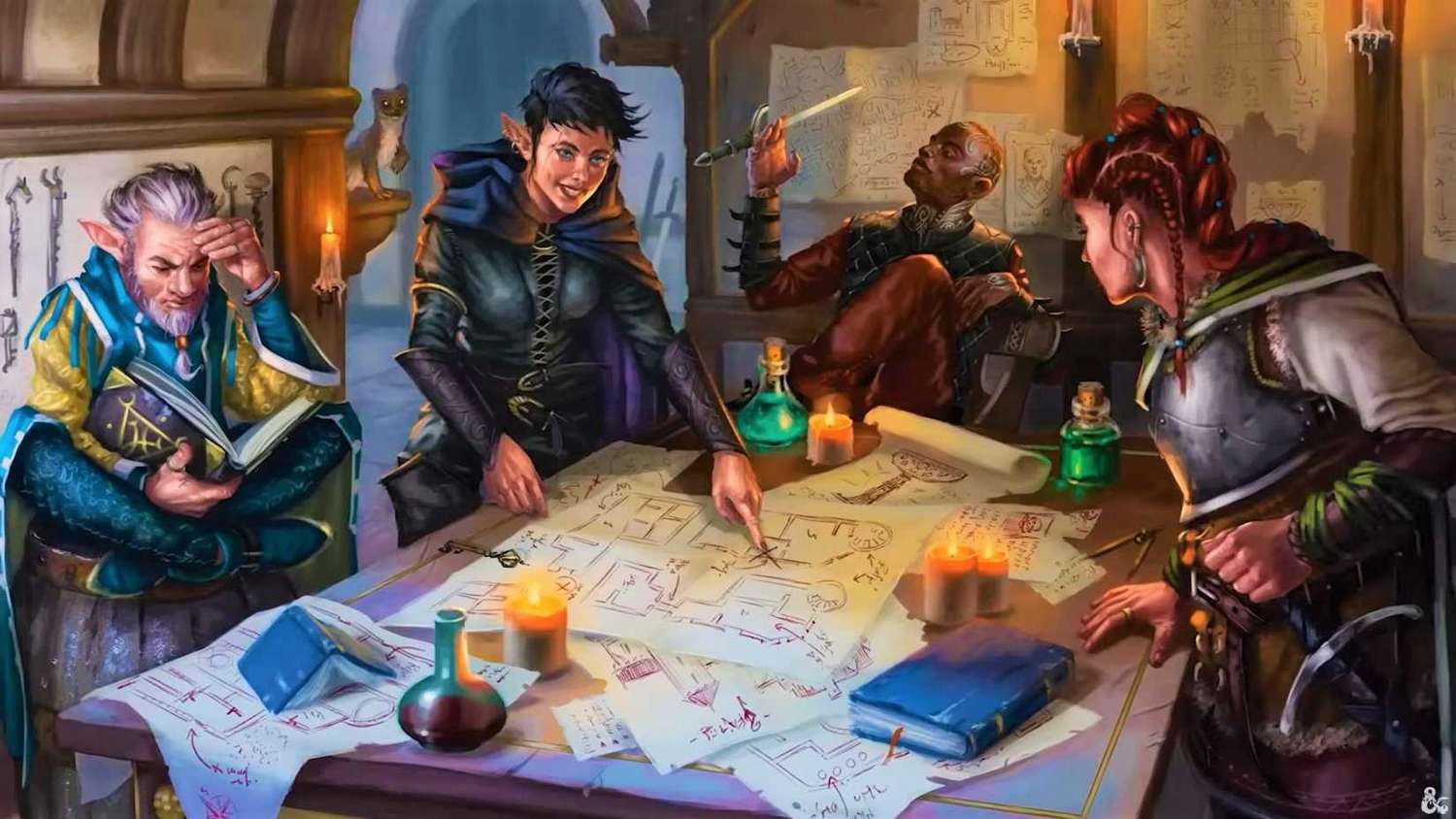
The developers have largely adopted a “soft reset” approach for the 5th Edition era. Instead of directly contradicting past events, new materials focus on a specific, post-Sundering point in the timeline (circa 1490 DR) while leaving older, world-shaking events in the distant past. This allows new players to jump in without needing to understand why Mystra has died twice or the physics of the Spellplague.
- Player Agency over Canon: The current design philosophy encourages Dungeon Masters (DMs) to treat the official material as a toolkit rather than an immutable law. This functional loosening of lore is essential for allowing DMs to build their own campaigns that prioritize fun and player stories over strict adherence to an overstuffed canon.
- Focus on Regions: Recent supplements strategically revisit classic regions—like the Dalelands and Icewind Dale—but introduce new, immediate threats (e.g., an awakening god of rot, icy aberrations) that require no prior lore knowledge, making them excellent starting points for heroic quests.
The Challenge of Complexity: Delivering Depth Without Overload
The vastness of Faerûn—with its dozens of gods, factions (Harpers, Zhentarim, Red Wizards), and complex political dynamics—can lead to Complexity Overload for DMs attempting to run a game outside the Sword Coast. The challenge is distilling this historical depth into usable, engaging play materials.
The Solution: Modular, High-Value Adventure Design
The current Adventures in Faerûn approach tackles this by offering numerous short, modular adventures (“mini-bars”) focused on specific themes (Deity, Faction, High Magic) or regions. This is a deliberate shift from monolithic, 100-page adventures:
- Building Blocks: These quick adventures function as high-quality building blocks, each with a clear situation, hook, and map. While some reviewers have found the earliest examples “minimalist,” this format is ideal for DMs looking for a quick session with a specific flavor—a key feature for increasing DM engagement and making content more runnable.
- High Magic Integration: The new books weave in key magic items and spells unique to the setting, ensuring that the high-fantasy nature of the Realms is immediately accessible without requiring the DM to consult decades of prior texts.
Adventure Design Nuance: Balancing Cliches with Emotional Depth
In a world defined by the “heroic quest” trope, there is a constant danger of falling into overly clichéd or generic “fetch quest” designs. The task is to craft adventures that incorporate the established pillars of D&D (combat, exploration, roleplaying) while offering moral ambiguity and inventive mechanics.
The Solution: Emphasis on Moral Choices and Environmental Storytelling
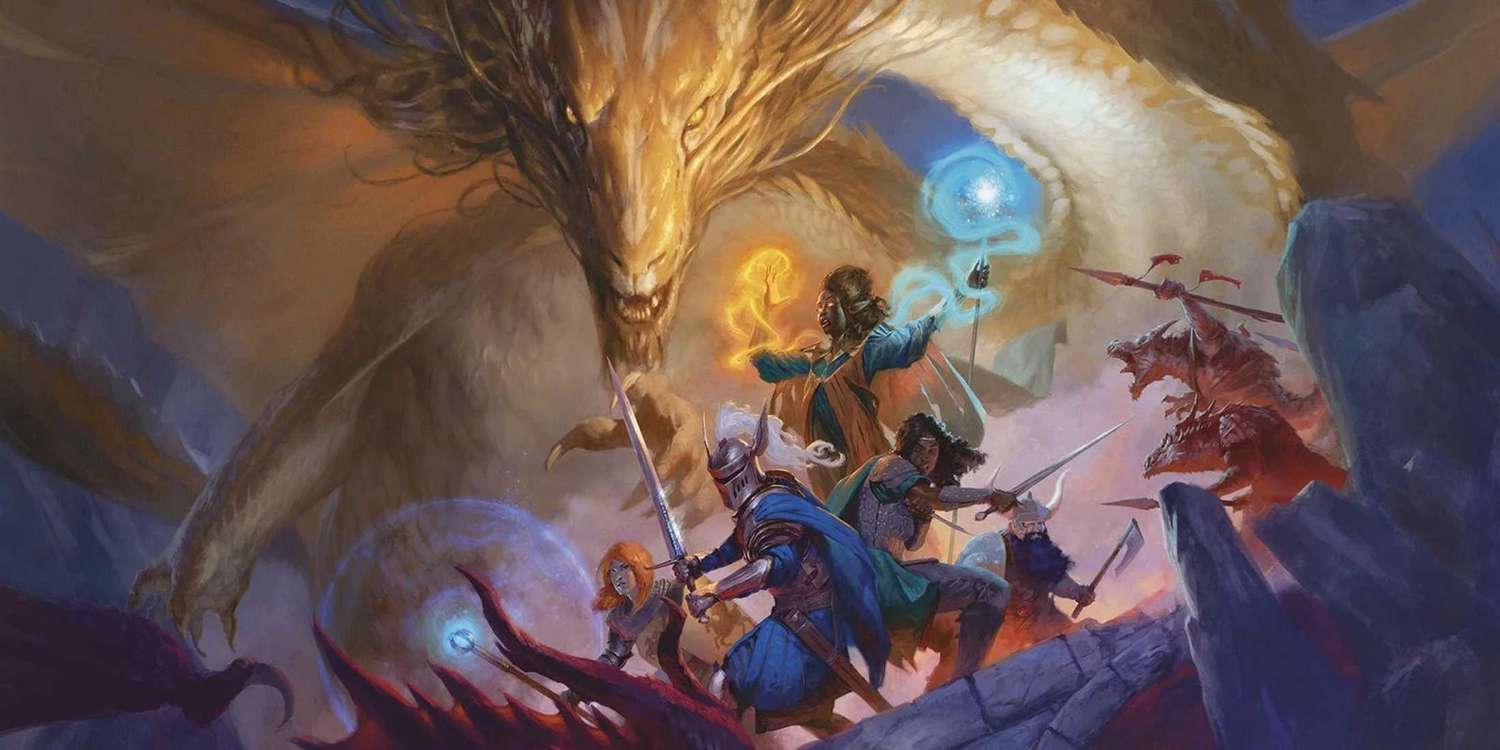
The standout adventures in the current line achieve success by focusing on emotional nuance over simple combat encounters. For example, a successful adventure may deliver a unique mystery filled with moral choices and atmosphere (The Weeping Goddess) or excel as a creepy wilderness horror story balancing environmental storytelling with combat (Fury Grove).
- Endgame Content: The larger, multi-session modules (like The Lost Library of Lethchauntos) effectively integrate core themes like lost magic and divine meddling into tightly paced mysteries, proving that the Forgotten Realms can still deliver complex, multi-layered narratives that reward long-term player investment.
Conclusion: The current revival of the Forgotten Realms is a nuanced strategic play. By embracing modular design to combat complexity and employing a “soft reset” to manage lore fatigue, the developers are making the classic fantasy RPG setting more accessible than ever before. If future releases maintain the high standard of delivering moral nuance and inventive mechanics, the Realms will undoubtedly continue its enduring legacy as the gold standard for unparalleled adventure in the gaming industry.