
High on Life 2 Review: MurderCon’s Skateboarding Carnage Redefines Combat Innovation







Popular Now
 BeamNG.drive
 Schedule I
 League of Legends
 EA SPORT FC 25
NBA 2K24
EA SPORT FC 25
NBA 2K24
 Free Fire
 Geometry Dash
 Auto X Drift Racing 3
 Genshin Impact
 Free Fire Max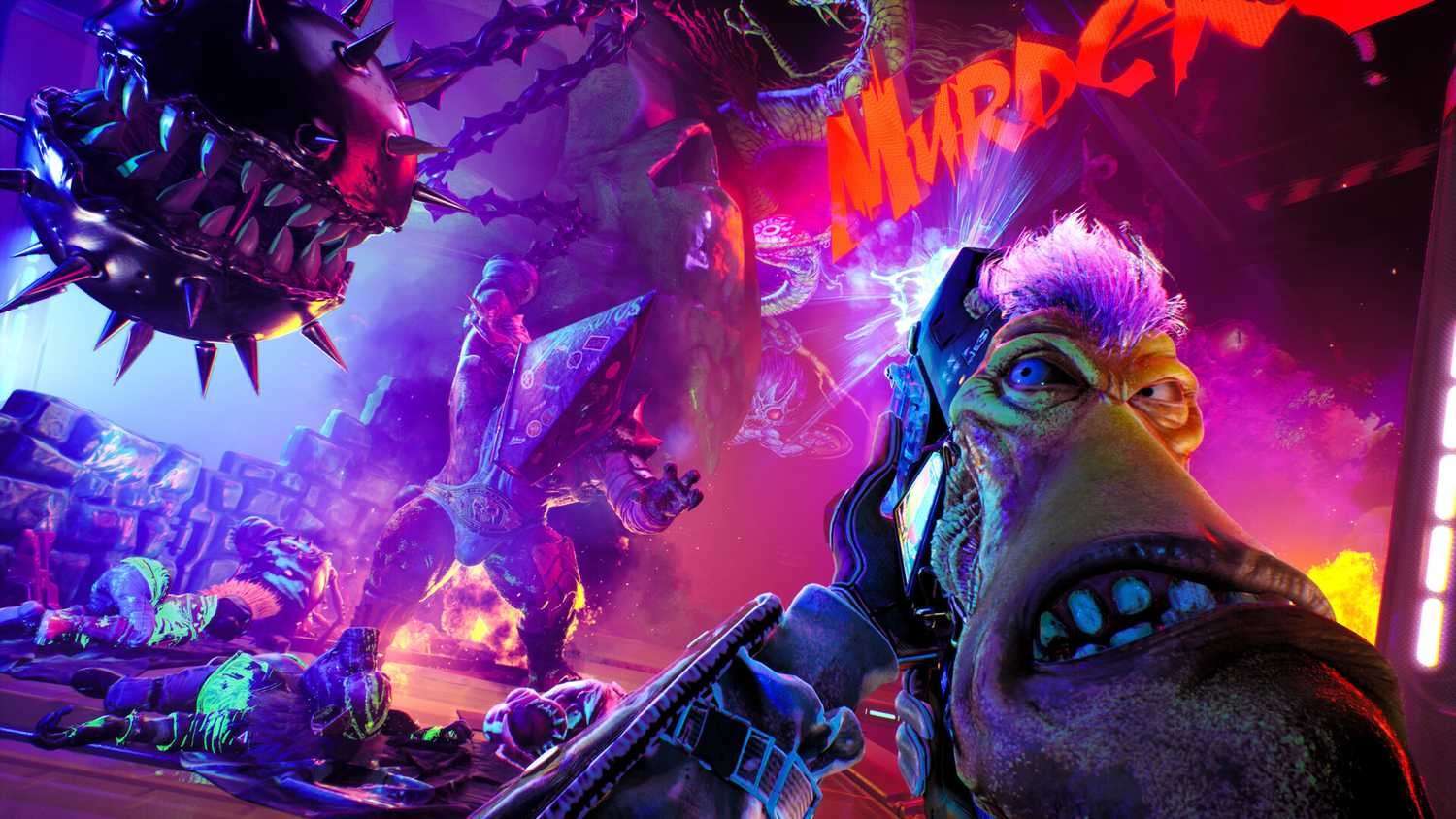
The highly anticipated sequel, High on Life 2, plunges players back into a universe teeming with vibrant absurdity and irreverent humor, yet manages to carve out a distinct identity through its bold gameplay innovations. While the original game garnered attention for its talking weapons and unique comedic stylings, the follow-up elevates the experience by introducing a core mechanic so audacious it demands a serious critical examination: the ability to skateboard enemies to death at the infamous MurderCon. This review delves into how this seemingly bizarre feature not only serves as a central pillar of its gameplay but also significantly shapes the overall player experience, setting a new benchmark for creative combat in the action-adventure genre.
The Core Mechanic: Skateboarding Through Mayhem at MurderCon
At the heart of High on Life 2’s gameplay loop lies the innovative integration of extreme sports with brutal combat. MurderCon, the game’s designated arena for intergalactic elimination, becomes the canvas for this unique mechanic. Players are equipped with a high-tech skateboard, not merely for traversal, but as a primary instrument of destruction. The fluidity of movement, the ability to grind rails, pull off aerial tricks, and seamlessly transition into devastating attacks against a rogue’s gallery of bizarre adversaries is nothing short of revolutionary. This isn’t just a gimmick; it’s a meticulously crafted system that rewards precision, creativity, and strategic environmental awareness. The developers have invested heavily in ensuring the controls are intuitive, allowing players to master complex combos and leverage the environment for tactical advantages, making every encounter feel fresh and engaging. This innovative approach to skateboarding combat transforms typical arena battles into a ballet of destruction, demanding both quick reflexes and thoughtful planning.
Strategic Depth and Player Agency in the Bloodsport Arena
The execution of the skateboarding-to-death mechanic extends beyond mere spectacle; it injects a profound layer of strategic depth. Different skateboard maneuvers yield varying attack patterns and damage outputs. For instance, grinding on certain surfaces might charge a powerful area-of-effect attack, while executing a perfectly timed ollie allows for a downward slam that stuns multiple opponents. The dynamic interaction with the MurderCon environment is crucial. Players can use ramps to gain height for devastating aerial assaults, grind on exposed pipes to bypass enemy defenses, or even use the momentum from a long slide to perform a high-speed takedown. This level of player agency in combat decision-making is a testament to the game’s design philosophy, pushing players to constantly adapt and experiment with their approach. Resource management, particularly the timing of special abilities tied to the skateboard, adds another strategic layer, forcing players to think critically amidst the chaos. This integration ensures that the gameplay remains robust and challenging, catering to both casual players and those seeking a deeper, more rewarding combat experience.
 Narrative Context and World-Building: The Spectacle of MurderCon
 Narrative Context and World-Building: The Spectacle of MurderCon
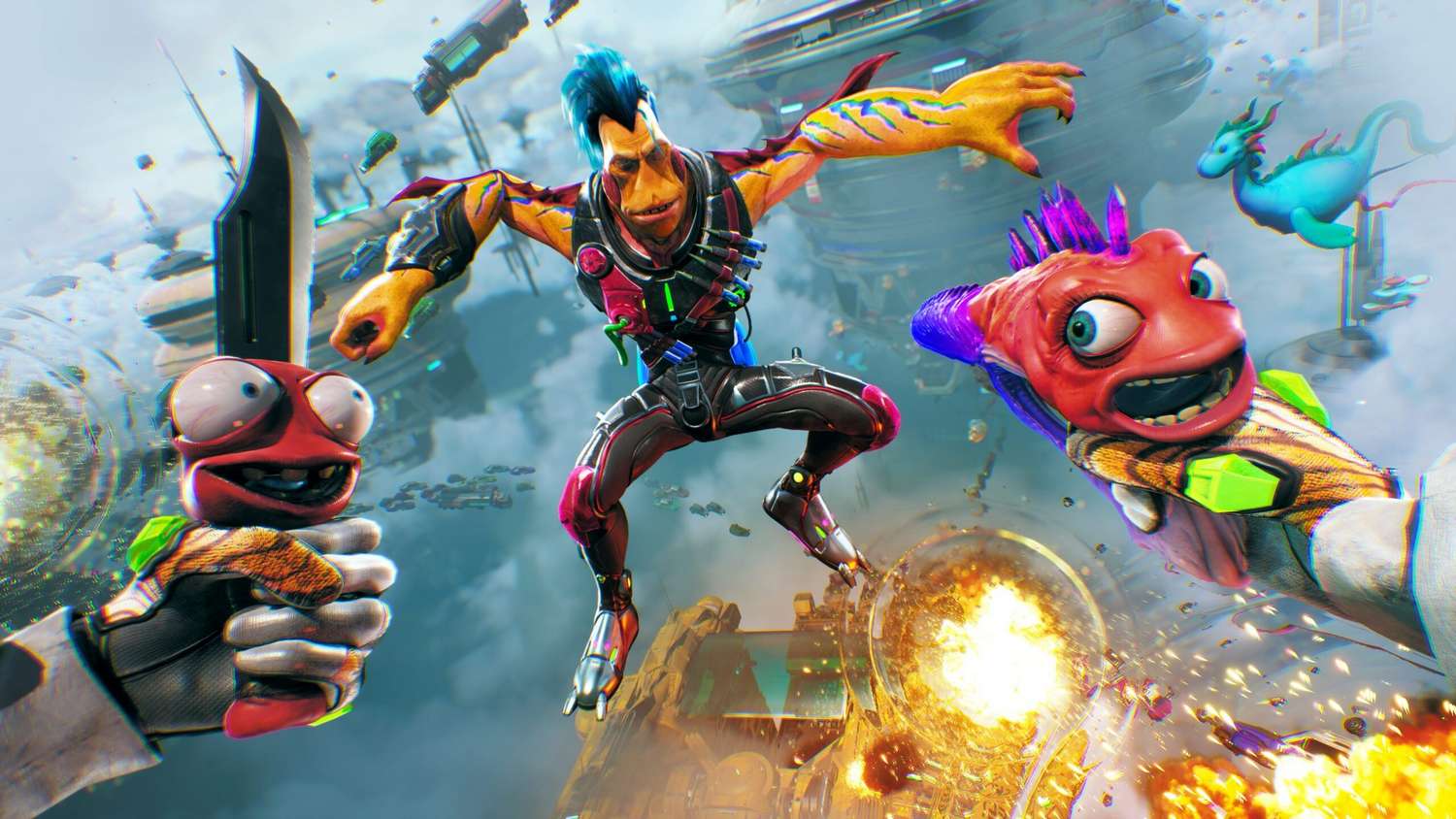
High on Life 2 expertly weaves the absurdity of its combat into its satirical narrative. MurderCon isn’t just a combat zone; it’s a meticulously designed death game spectacle, broadcast across the cosmos, complete with commentators and rabid audiences. This setting provides a darkly comedic backdrop for the violent skateboarding, grounding the outlandish mechanics within a believable (for the High on Life universe) context. The environmental storytelling within MurderCon itself is exceptional, with each section hinting at previous deadly events or potential future challenges. From neon-lit urban skateparks to industrial zones repurposed for gladiatorial combat, the visuals are a feast for the eyes, maintaining the vibrant and distinct art style of its predecessor while introducing new levels of environmental interactivity. The game uses this setting to deliver sharp social commentary, much like its predecessor, often poking fun at reality television, consumer culture, and extreme sports. This thoughtful world-building ensures that the unique combat mechanics feel like an organic extension of the game’s universe, rather than a forced addition.
Visuals, Audio Design, and Performance: An Immersive Experience
Visually, High on Life 2 builds upon the distinctive aesthetic of the first game, refining character models, environmental textures, and special effects. The spectacle of skateboarding through hordes of enemies is rendered with exceptional clarity and fluid animations, ensuring that every trick and every takedown is visually impactful. The particle effects for impacts and explosions are particularly noteworthy, adding to the visceral feedback of combat. On the audio front, the game excels. The cacophony of grinding wheels, the satisfying crunch of an enemy being eliminated by a skateboard, and the dynamic soundtrack that shifts intensity based on the action, all contribute to an incredibly immersive experience. The talking weapons return with new personalities and witty banter, providing constant comedic relief and context during the most intense skirmishes. Furthermore, the game runs remarkably smoothly, even during chaotic encounters with numerous enemies and environmental effects, demonstrating strong optimization for current-generation hardware. This next-gen gaming experience ensures players are fully immersed in the high-octane action without technical disruptions.
Replayability and Long-Term Engagement
The innovative combat system significantly boosts High on Life 2’s replay value. The sheer variety of ways to approach combat scenarios, coupled with unlockable skateboard upgrades and new abilities, encourages players to revisit levels and experiment with different playstyles. The game also features a robust challenge mode within MurderCon, offering unique objectives and leaderboards that cater to players eager to hone their skateboarding combat skills and compete for high scores. Side quests and hidden collectibles, often requiring creative use of the skateboarding mechanics, further extend the game’s longevity. This thoughtful integration of core mechanics into optional content ensures that the game doesn’t just offer a compelling narrative but also a rich sandbox for continued engagement. For enthusiasts of action-adventure games seeking unique gameplay, this sequel delivers an experience that warrants multiple playthroughs.
Conclusion: A New Benchmark for Inventive Gameplay
High on Life 2 stands as a powerful testament to creative game design, proving that even the most outlandish concepts can be masterfully executed. The decision to make ‘skateboarding enemies to death at MurderCon’ a cornerstone of its gameplay is a bold stroke of genius, elevating what could have been a standard sequel into something truly extraordinary. It’s an experience that is consistently surprising, genuinely funny, and, most importantly, incredibly fun to play. While its irreverent humor might not appeal to everyone, those who embrace its unique sensibility will find a deeply engaging and innovative title that pushes the boundaries of what’s possible in the action-adventure genre. For fans of the original and newcomers alike, High on Life 2 is a critical success that confidently delivers on its promise of an unforgettable, high-octane adventure, cementing its place as a must-play title for anyone seeking fresh, inventive gameplay mechanics in the current gaming landscape.