
Warhammer 40,000: Dark Heresy – Unraveling the Fabric of Truth in the Grimdark RPG










Popular Now
 NBA 2K24
 Free Fire
 BeamNG.drive
 Auto X Drift Racing 3
Black Myth: Wukong
Auto X Drift Racing 3
Black Myth: Wukong
 R.E.P.O
Valorant
R.E.P.O
Valorant
 Garena Free Fire: Kalahari
 Rust
Fall Guys
Rust
Fall Guys 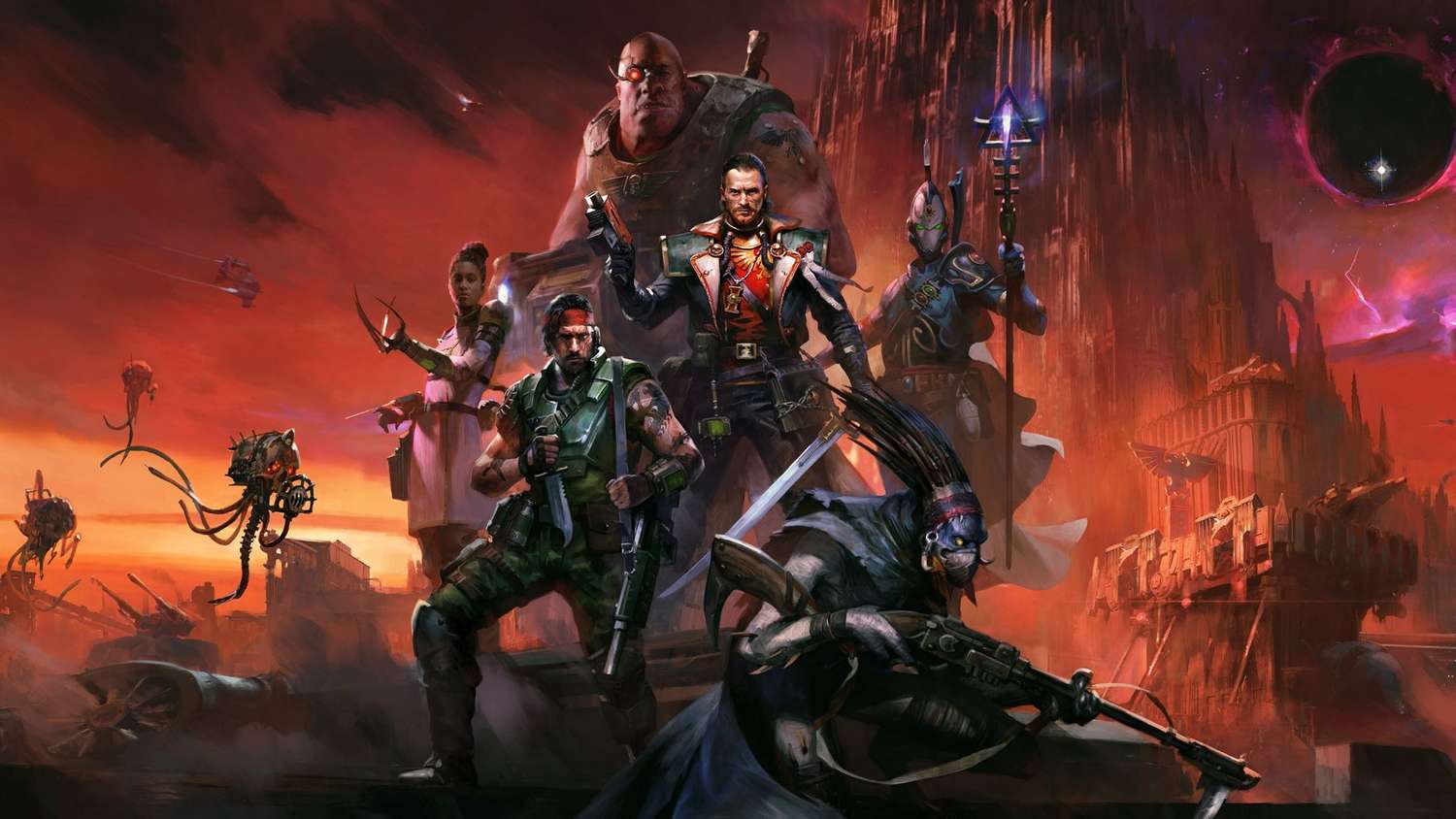
In the vast, suffocating darkness of the 41st Millennium, where humanity clings precariously to survival under the iron fist of the Imperium of Man, the concept of objective truth is a luxury few can afford. Amidst this cosmic horror and pervasive superstition, Warhammer 40,000: Dark Heresy emerges as a premier tabletop role-playing game that masterfully encapsulates the chilling axiom: The truth is what you say it is.
This immersive RPG plunges players into the shoes of Acolytes serving the Holy Inquisition, tasked with rooting out heresy, mutation, and alien threats. But in a universe built on propaganda, faith, and the terrifying unknown, discerning fact from fiction becomes the ultimate, most dangerous game. Our comprehensive Dark Heresy review delves into why this title remains a benchmark for grimdark gaming and narrative-driven RPGs.
The Imperium’s Shadowed Truths: A Universe Forged in Lies
The Warhammer 40K universe is renowned for its bleakness, a setting where every light casts a thousand shadows and hope is a forgotten relic. Dark Heresy leverages this grim tapestry to its fullest, positioning players as disposable, yet critical, operatives in a constant struggle against internal and external threats. From the festering slums of Hive Worlds to the blasphemous cults hidden within noble houses, the game explores the myriad forms of corruption that gnaw at the Imperium’s soul. The lore is not merely backdrop; it is an active participant, influencing every decision, every investigation, and every desperate combat encounter. Understanding the subtle nuances of Imperial dogma, the whispered history of lost worlds, and the terrifying nature of warp entities is crucial, yet knowledge itself can be a heresy. This constant tension is a high-stakes psychological thriller, making it a compelling premium RPG experience for those seeking more than simple combat encounters.
As an Inquisitorial Acolyte, players are granted an unsettling degree of authority, often operating beyond the law they are sworn to uphold. This moral ambiguity is central to the game’s appeal. Decisions are rarely black and white; instead, they are shades of grey painted in blood and dogma. Is silencing a witness to protect Imperial secrets a necessary evil or an act of tyranny? Is a mutation a sign of chaos, or an evolutionary divergence that could serve mankind? The game challenges players to navigate these ethical minefields, offering a truly immersive gameplay experience where personal conviction can be both a weapon and a deadly weakness. For fans of Warhammer 40K lore, this game provides an unparalleled opportunity to influence the narrative from within.
Crafting Your Acolyte: Mechanics and Deep Immersion
At its core, Dark Heresy employs a robust d100-based system, familiar to players of other Fantasy Flight Games RPGs like Rogue Trader and Deathwatch. Character creation is deep and satisfying, allowing players to choose from a variety of homeworlds (Hive Worlder, Void-Born, Feudal Worlder, etc.) and backgrounds (Arbitrator, Assassin, Guardsman, Psyker, Tech-Priest, Cleric, etc.), each offering distinct advantages, disadvantages, and role-playing hooks. This initial investment in character development ensures a personal connection to your avatar, a crucial element given the brutal nature of the galaxy.
- Skill Tests: Most actions are resolved by rolling two ten-sided dice (d100) and attempting to roll under a target number determined by a characteristic + skill rating. Success often comes with degrees of success or failure, adding granularity.
- Combat: Brutal and often deadly, combat in Dark Heresy is designed to be a last resort. Weapons are lethal, and even minor wounds can have lasting consequences, reinforcing the game’s high stakes gaming philosophy. Strategic positioning, cover, and teamwork are paramount.
- Investigation and Deduction: A significant portion of the game involves uncovering conspiracies, interrogating suspects, and deciphering cryptic clues. The system supports detailed investigation, rewarding clever deduction and good role-playing. This makes it an excellent detective RPG within a sci-fi framework.
- Insanity and Corruption: Exposure to the horrors of the 41st Millennium takes its toll. The Insanity and Corruption mechanics track a character’s mental and physical degradation, leading to terrifying conditions, mutations, or even damnation. These mechanics are brilliantly designed to reflect the psychological strain of confronting unspeakable evils.
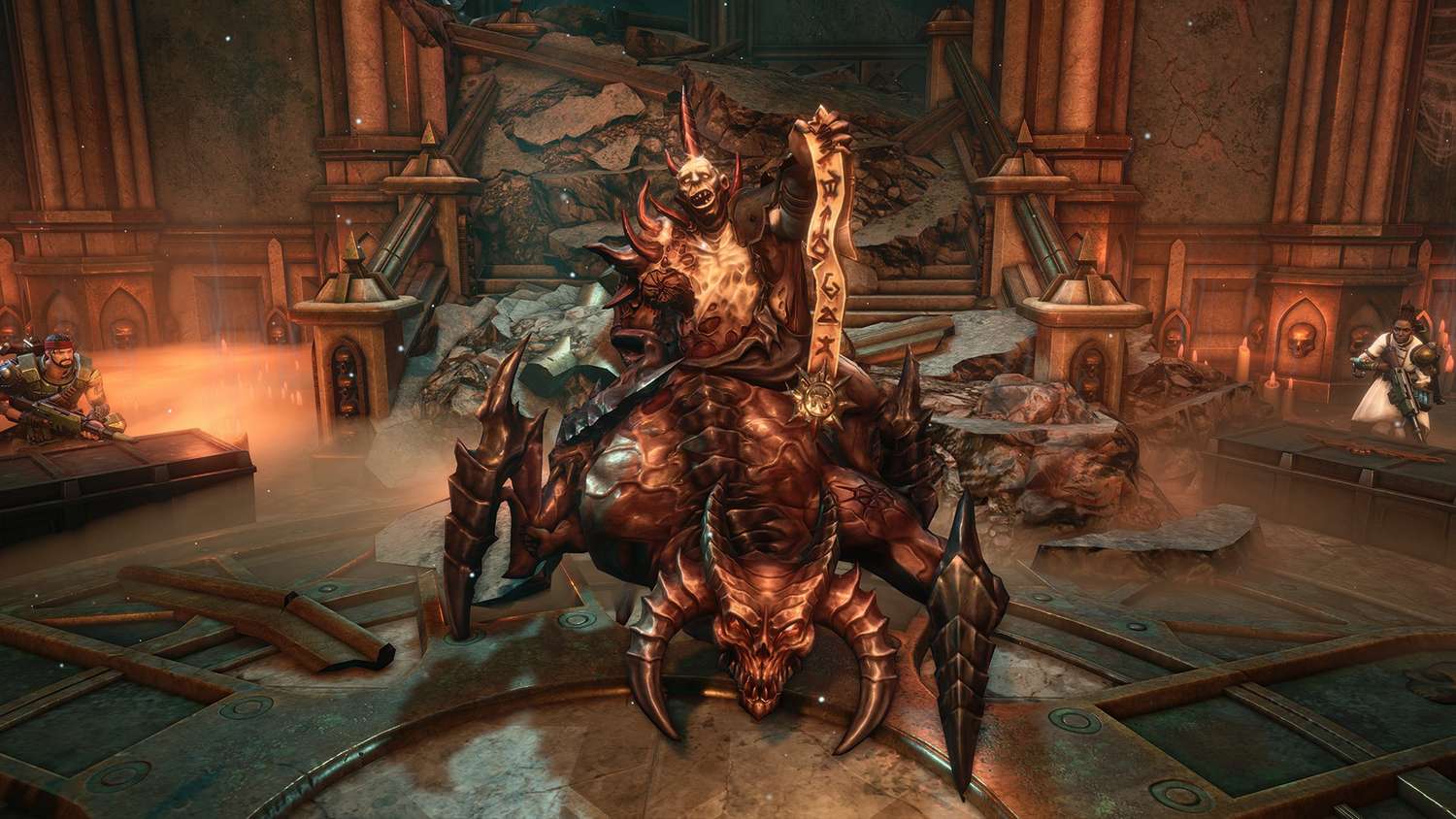 The reliance on the Game Master (GM) to interpret rules, adjudicate outcomes, and weave compelling narratives is particularly pronounced in Dark Heresy. The system provides an excellent framework, but the true brilliance emerges when a skilled GM breathes life into the grimdark world, adapting challenges to suit the players’ choices and pushing them to their moral limits. This makes GM experience a vital component for unlocking the game’s full potential.